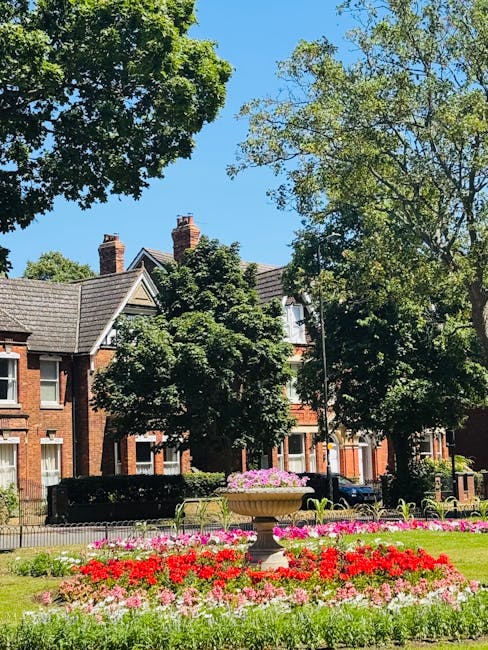
Mill Hill Village garden maintenance tips from local gardeners

If you live in Mill Hill Village, you already know the garden has its own rhythm. One week it feels lush and calm, the next it is a bit soggy underfoot, the lawn has gone a shade too wild, and the hedge seems to have grown overnight. These Mill Hill Village garden maintenance tips from local gardeners are built around that reality: practical, local, and focused on what actually keeps a garden tidy without turning every weekend into a chore. Whether you manage a compact front garden, a leafy family plot, or a larger space that needs a steady hand, the right routine makes all the difference.
In this guide, we will break down what local gardeners tend to do, why it works, and how you can apply the same thinking at home. You will also find a checklist, a comparison table, common mistakes to avoid, and a few honest pointers from real-world garden care. Nothing overcomplicated. Just sensible advice that helps a garden stay healthy, neat, and easier to live with.
Why Mill Hill Village garden maintenance tips from local gardeners Matters
Mill Hill Village gardens tend to deal with a mix of conditions: mature trees, shaded corners, heavier rainfall at awkward moments, and the occasional burst of growth that arrives almost rudely after a mild spell. That means a one-size-fits-all approach rarely works for long. Local gardeners understand how quickly a tidy garden can drift into looking neglected if mowing, pruning, clearance, and planting care are left too long.
The reason local knowledge matters is simple. A garden in this part of London is not just about appearance. It is about drainage, seasonal timing, soil condition, safe access, and how much growth you can realistically keep under control. If your lawn is thin in the shade or your hedge is pushing into a path, the fix is rarely "do more of everything." It is usually "do the right jobs at the right time."
That is where experienced help comes in. Regular garden maintenance is less about a dramatic makeover and more about staying ahead of the small jobs before they become the annoying ones. To be fair, most garden problems start quietly. A few missed weeks here, a patch of moss there, and suddenly the whole space feels a bit tired.
Expert summary: good garden care in Mill Hill Village is usually steady, seasonal, and practical. Keep growth in check, reduce clutter, protect roots and soil, and do not wait until everything looks out of hand.
How Mill Hill Village garden maintenance tips from local gardeners Works
Local gardeners usually work from a simple pattern: assess, prioritise, maintain, and review. It sounds basic, but that is often what gets the best results. Rather than tackling every part of the garden with the same intensity, they focus on what is most vulnerable at that point in the season.
1. Start with a condition check
The first pass is all about reading the garden. Is the lawn compacted? Are the borders choked with weeds? Are shrubs rubbing against windows, fences, or pathways? A good gardener looks for weak spots as well as obvious mess.
2. Separate urgent jobs from routine jobs
Urgent tasks might include clearing blocked paths, removing deadwood, or reducing overgrown hedges that are creating safety issues. Routine tasks are the steady ones: mowing, edging, deadheading, and light pruning. This prioritisation keeps the garden safe and presentable without wasting effort.
3. Match the job to the season
It sounds obvious, but timing matters more than many people think. Spring is for recovery and setup. Summer is for control and watering. Autumn is for cutting back, leaf management, and preparation. Winter is the quieter repair window, especially for structure, clearance, and planning.
4. Use maintenance as prevention
Good maintenance is preventive. A hedge trimmed before it sprawls is easier to manage than a hedge cut back after it has become woody and heavy. A lawn mown regularly is healthier than one left to battle through a single harsh cut. Same idea, less pain later.
If you want a broader view of how a professional team structures this work, the services overview is a useful place to understand how maintenance, clearance, cutting, and landscaping tend to fit together.
Key Benefits and Practical Advantages
There are the obvious benefits, like a garden that looks tidy. But local gardeners will usually tell you the hidden gains matter just as much. A well-maintained space is easier to use, safer to walk through, and simpler to keep under control week after week. It becomes a place you can actually enjoy instead of a place that keeps asking for attention.
- Better curb appeal: neat edges, healthy planting, and well-kept grass make an immediate difference.
- Less long-term work: regular care stops small issues from snowballing into large-scale jobs.
- Healthier plants: pruning, feeding, and clearing improve light, airflow, and root conditions.
- Safer access: paths, steps, and entrances stay clearer when growth is managed properly.
- More usable outdoor space: a garden feels bigger when it is not cluttered with weeds, cuttings, and overgrowth.
There is also the emotional side. A tidy garden changes how the home feels. Open the back door on a spring morning and, if the place is in good order, the whole property feels lighter. Sounds a bit poetic, maybe, but it is true.
Another practical advantage is budgeting. Ongoing maintenance often costs less than repeated rescue work. If you leave a hedge too long, or let brambles take hold, the eventual job usually takes longer and needs more disposal. That is where garden clearance becomes necessary, but ideally it is not your first response.
Who This Is For and When It Makes Sense
These tips are useful for a wide range of homeowners and tenants, but they are especially relevant if your garden has grown beyond the "quick tidy" stage. Mill Hill Village properties often have mature planting or established boundaries, and that can be lovely. It can also mean more to manage.
This approach makes sense if you are:
- trying to keep a family garden neat with limited weekend time
- preparing a property for sale or letting
- dealing with recurring leaf fall, shade, or moss
- wanting to protect lawns, hedges, and beds from long-term decline
- managing a garden after a period of neglect or building work
- simply tired of the same jobs piling up every month
It also suits people who prefer practical, staged improvements rather than full redesigns. Not every garden needs a makeover. Sometimes it needs a sharp pair of shears, a mower that actually gets used, and a bit of patience. Truth be told, a lot of beautiful gardens are just well-kept gardens.
If your space needs more than maintenance and is drifting into redesign territory, it may be worth looking at landscape gardening or broader landscaping support instead of trying to solve everything one Saturday at a time.
Step-by-Step Guidance
Here is a sensible maintenance routine local gardeners commonly rely on. It is not fancy. It works.
- Walk the garden slowly. Look for overgrowth, dead material, poor drainage, and any hazards first. Do not start cutting until you know what needs attention.
- Remove visible clutter. Pull out broken pots, fallen branches, old ties, dead annuals, and anything that is blocking access.
- Deal with the lawn. Mow at the right height for the season, edge the borders, and avoid scalping grass too low. If the lawn is patchy, do not panic-cut it into submission. That usually makes it worse.
- Trim hedges and shrubs lightly. Light, regular cutting is better than aggressive reshaping. If the hedge is dense, a steadier hand helps preserve the plant structure. For especially unruly boundaries, hedge trimming can restore shape without harsh damage.
- Weed borders and paved areas. Remove weeds before they seed or root deeply. A few minutes now saves a lot later. It really does.
- Refresh beds and mulch where useful. A mulch layer can help retain moisture and suppress weeds, though it should be kept away from stems and trunks.
- Check trees and woody plants. Remove dead, damaged, or unsafe material when appropriate. For larger work, always be cautious; some jobs are better handled by tree lopping and removal professionals rather than rushed DIY cuts.
- Finish with a clean-up. Bag or stack green waste properly, sweep paths, and leave the area ready for use.
A good routine is often repeated every one to two weeks in the growing season, then scaled back a little in colder months. That said, weather can throw the plan out the window. A wet spell, then sudden warmth, and the garden behaves like it missed the memo.
Expert Tips for Better Results
Local gardeners often rely on a few small habits that make maintenance feel less like a battle and more like a rhythm. These are the kinds of details that make a real difference over time.
Trim little and often
Frequent light trimming usually produces neater shapes and healthier growth than waiting for a major cut-back. It also keeps the job manageable. Nobody enjoys trying to rescue a hedge that has become a solid wall of foliage.
Learn where your shade is
In many Mill Hill Village gardens, shade changes through the day and across the year. A patch that seems fine in April can become damp, sparse, or mossy by October. Keep an eye on where sunlight lands and adjust planting or mowing accordingly.
Do not overwater out of guilt
It is easy to overcompensate when plants look a bit tired. But overwatering can be just as damaging as dryness, especially in heavier soils. Check the actual moisture level before reaching for the hose.
Keep tools sharp and clean
Blunt blades tear grass and stems, while dirty tools can spread problems from one plant to another. A five-minute wipe-down after use can save a headache later. Not glamorous, but useful.
Watch the boundaries
Fence lines, paving edges, and steps are often where gardens start to look messy first. If you keep those edges crisp, the whole space tends to read as more intentional.
For ongoing upkeep, some homeowners like a scheduled visit from a gardener, while others prefer a seasonal tidy-up plus occasional help from lawn mowing support when growth gets away from them.
Common Mistakes to Avoid
Most garden problems are not dramatic disasters. They are little habits that stack up. Here are the mistakes local gardeners see most often.
- Cutting too much at once: this can stress shrubs, create bare patches, and leave the garden looking worse before it looks better.
- Leaving lawn work too long: if grass grows too tall, a single hard cut can shock it.
- Ignoring drainage issues: soggy ground, moss, and compacted soil usually point to a deeper problem.
- Using the same routine all year: spring, summer, autumn, and winter need different priorities.
- Letting clippings and debris sit: wet cuttings can smother grass and create a musty, messy feel.
- Forgetting safety: ladders, saws, and awkward branches need proper caution. A quick job is not worth a trip or a fall.
One of the biggest mistakes, honestly, is trying to do everything in one burst because you have finally found a free afternoon. That tends to end with sore shoulders, half-finished beds, and a cup of tea that goes cold on the patio. Been there.
If the garden has got well beyond regular upkeep, it may need a reset first. In that case, a planned clearance can create a clean starting point before maintenance resumes.
Tools, Resources and Recommendations
You do not need a shed full of specialist kit to keep a garden in good shape. A small, well-chosen set of tools usually beats an overcrowded collection of things you never use.
| Tool or resource | Best use | Why it helps |
|---|---|---|
| Sharp secateurs | Light pruning and deadheading | Cleaner cuts, less plant damage |
| Hedge trimmer | Boundary shaping and shrub control | Saves time on larger hedges |
| Reliable mower | Routine lawn care | Supports healthier, more even grass |
| Fork and hand weeder | Borders and compacted patches | Targets weeds without disturbing everything |
| Rake and broom | Leaf and debris removal | Keep paths and lawns cleaner |
| Waste bags or compost area | Green waste handling | Makes tidying faster and safer |
When the job becomes more complex, a local team may be better equipped to help with regular mowing, hedge shaping, planting care, and broader seasonal upkeep. If you are comparing options, look beyond the headline task and think about the whole process: tidying, removal, disposal, and follow-up maintenance.
Also worth checking is whether the provider explains their approach clearly, gives fair expectations, and has transparent policies around safety and payments. That may sound dry, but it matters. The practical stuff matters.
You can also review the company's recycling and sustainability information if you want green waste handled with care and a bit of thought for the environment.
Law, Compliance, Standards, or Best Practice
Garden maintenance is not usually a heavily regulated subject for homeowners, but there are still sensible best practices and responsibilities to keep in mind. If you are pruning near boundaries, working at height, using sharp tools, or disposing of large amounts of waste, caution is not optional. It is just common sense.
In the UK, homeowners and contractors generally need to think about safety, waste handling, neighbour considerations, and avoiding nuisance. If trees are involved, especially mature or overhanging ones, extra care is wise because branches, root systems, and nearby structures can all complicate what looks like a simple task.
For professional work, it is reasonable to expect clear safety procedures, suitable insurance, and a tidy site when the job is done. If a service provider cannot explain how they manage risk, that is a bit of a red flag. No need to be dramatic about it, but still.
Useful signs of good practice include:
- working with appropriate protective equipment
- keeping tools and equipment in good condition
- segregating green waste where possible
- avoiding unnecessary damage to roots, paving, fences, or roofs
- clearly agreeing what is included before work begins
If you want reassurance on how a business handles these things, take a look at health and safety policy and insurance and safety details. Those pages are helpful because they show the sort of standards a careful provider should be aiming for.
Options, Methods, or Comparison Table
There is no single best maintenance method for every Mill Hill Village garden. The right choice depends on time, budget, garden size, and how quickly things are growing. Here is a simple comparison to help.
| Approach | Best for | Pros | Trade-offs |
|---|---|---|---|
| DIY weekly upkeep | Small to medium gardens with manageable growth | Low cost, flexible, good for spotting issues early | Needs time, consistency, and basic tools |
| Seasonal tidy-up only | Garden owners who are busy or mostly self-sufficient | Good for stopping major buildup | Can leave the garden looking uneven between visits |
| Regular professional maintenance | Busy households, larger gardens, or mature planting | Predictable, neat, easier long-term control | Ongoing cost |
| Clearance followed by maintenance | Overgrown or neglected spaces | Creates a fresh start and makes future upkeep easier | More intensive at the beginning |
For many local households, the most practical approach is a mix: DIY light tasks plus occasional professional support for the heavier work. That gives you control without making every job your problem. And let's face it, not every hedge is a weekend job.
Case Study or Real-World Example
Picture a typical Mill Hill Village garden after a damp, busy spring. The lawn has thinned slightly under the trees, the hedge has flared out at the top, and the borders are full of self-seeded growth. Nothing alarming, just a bit too much of everything.
A local gardener would usually start by clearing the paths, cutting back the hedge lightly, mowing the lawn at a sensible height, and removing spent growth from the borders. Rather than stripping the garden bare, they would aim to restore shape and airflow. That matters more than people expect. Once light reaches the base of the plants and the lawn is not smothered, the whole space starts to look calmer.
In a case like that, the difference between "tired" and "tidy" is often two or three well-chosen hours, not a full rebuild. If the space had been left for months longer, the same job might have needed more disposal, more pruning, and a bigger reset. That is the quiet value of maintenance. It prevents the expensive version of the same problem.
For gardens with old paving, larger shrubs, or tired structural features, a maintenance visit can also reveal whether a bit of repair or redesign would help. This is where decking services or professional landscaping support may become relevant, especially if the hardscaping has started to limit how usable the garden feels.
Practical Checklist
Use this simple checklist to keep your Mill Hill Village garden under control through the year.
- Walk the garden once a week and note any problem spots
- Mow before the grass becomes too long
- Trim hedges lightly and regularly
- Remove weeds before they seed
- Clear fallen leaves, sticks, and cuttings promptly
- Check paths, steps, and entrances for slip or trip hazards
- Inspect shrubs and trees for dead or damaged growth
- Keep tools clean, sharp, and stored safely
- Dispose of green waste responsibly
- Review whether any larger job needs professional help
If you are planning a bigger tidy or an overdue reset, it is worth speaking to a local team early rather than waiting until the work becomes too much. A straightforward quote can save a lot of guessing and a lot of back-and-forth. You can start with the company's pricing and quotes information if you want to understand how jobs are typically approached.
Get a free quote today and see how much you can save.
Conclusion
Good garden maintenance in Mill Hill Village is not about perfection. It is about rhythm, observation, and doing the small jobs before they turn into big ones. Local gardeners tend to focus on what the garden needs right now: a clean edge, a lighter hedge, healthier grass, safer access, or a proper tidy after a messy spell.
If you take anything from this guide, let it be this: keep things regular, keep things realistic, and do not wait for the garden to shout before you listen. A few calm, well-timed habits will do more for your outdoor space than one heroic day of graft every few months. And honestly, the garden will thank you for it in its own quiet way.
For more about the team behind the service, see about us, or if you are ready to talk through your garden, visit contact us.
Frequently Asked Questions
How often should a Mill Hill Village garden be maintained?
Most gardens benefit from light weekly or fortnightly attention during the growing season, with seasonal jobs added in spring, autumn, and winter. The exact timing depends on how quickly things grow, how much shade you have, and whether the garden includes mature planting or trees.
What are the most important garden maintenance tasks?
The essentials are usually mowing, hedge trimming, weeding, edging, clearing debris, and checking for damaged or overgrown plants. If those jobs are kept under control, the garden usually stays easier to manage overall.
Can I manage garden maintenance myself?
Yes, if the garden is not too large and the tasks are straightforward. Many homeowners handle light upkeep themselves and bring in help for heavier jobs, seasonal clearance, or more technical work like tree reduction or major hedge shaping.
When should I call in a professional gardener?
It makes sense to call a professional when the garden is overgrown, the work needs specialist tools, there are safety concerns, or you simply do not have the time to keep up. A professional can also help if the garden needs a fresh start before routine care resumes.
What is the difference between garden maintenance and garden clearance?
Garden maintenance is ongoing care that keeps everything neat and healthy. Garden clearance is a more intensive reset, usually used when a garden has become cluttered, overgrown, or neglected. Clearance comes first; maintenance keeps the results in place.
How do local gardeners deal with shady or damp areas?
They usually choose suitable plants, improve airflow, avoid overwatering, and keep an eye on moss or drainage issues. In shady gardens, the key is often consistency rather than heavy intervention. Small adjustments tend to work better than big swings.
Is hedge trimming always just a cosmetic job?
Not really. A well-trimmed hedge improves shape, light, boundary control, and access, and it can help the plant stay healthy. Overgrown hedges can affect pathways, windows, and neighbouring spaces, so trimming is often practical as well as visual.
What should I do with all the green waste?
Green waste should be gathered safely and handled responsibly. Some people compost smaller amounts, while larger clear-ups may need collection and disposal. If you want a provider that treats this side of the job seriously, look for clear information on recycling and waste handling.
How can I keep garden maintenance costs down?
The simplest way is to stay ahead of growth. Regular small jobs usually cost less than emergency tidying or a major clearance. It also helps to group tasks together, so one visit or one session handles several jobs at once.
What if my garden has become badly overgrown?
Start with a realistic assessment and do not try to fix everything in one go. Most overgrown gardens need a clearance stage before normal maintenance can resume. Breaking the work into phases usually leads to better results and less stress.
Do weather and season really make that much difference?
Absolutely. Wet spells, warm spells, frost, and shade all affect how fast plants grow and how safe the ground is to work on. A good gardener adjusts timing rather than forcing the same routine all year round.
How do I know if a garden maintenance provider is trustworthy?
Look for clear communication, sensible pricing information, safety awareness, and a straightforward explanation of what is included. It also helps if they can talk through the job in plain English without making it sound more complicated than it is.
Can garden maintenance improve the value or appeal of my home?
While no one can promise a specific financial outcome, a well-kept garden generally improves first impressions and makes a property feel better cared for. That is often enough to matter, whether you are selling, renting, or simply wanting to enjoy your home more.
Where can I learn more about the company's service standards?
You can read the company's health and safety policy, insurance and safety information, and recycling and sustainability page to understand how work is approached behind the scenes.